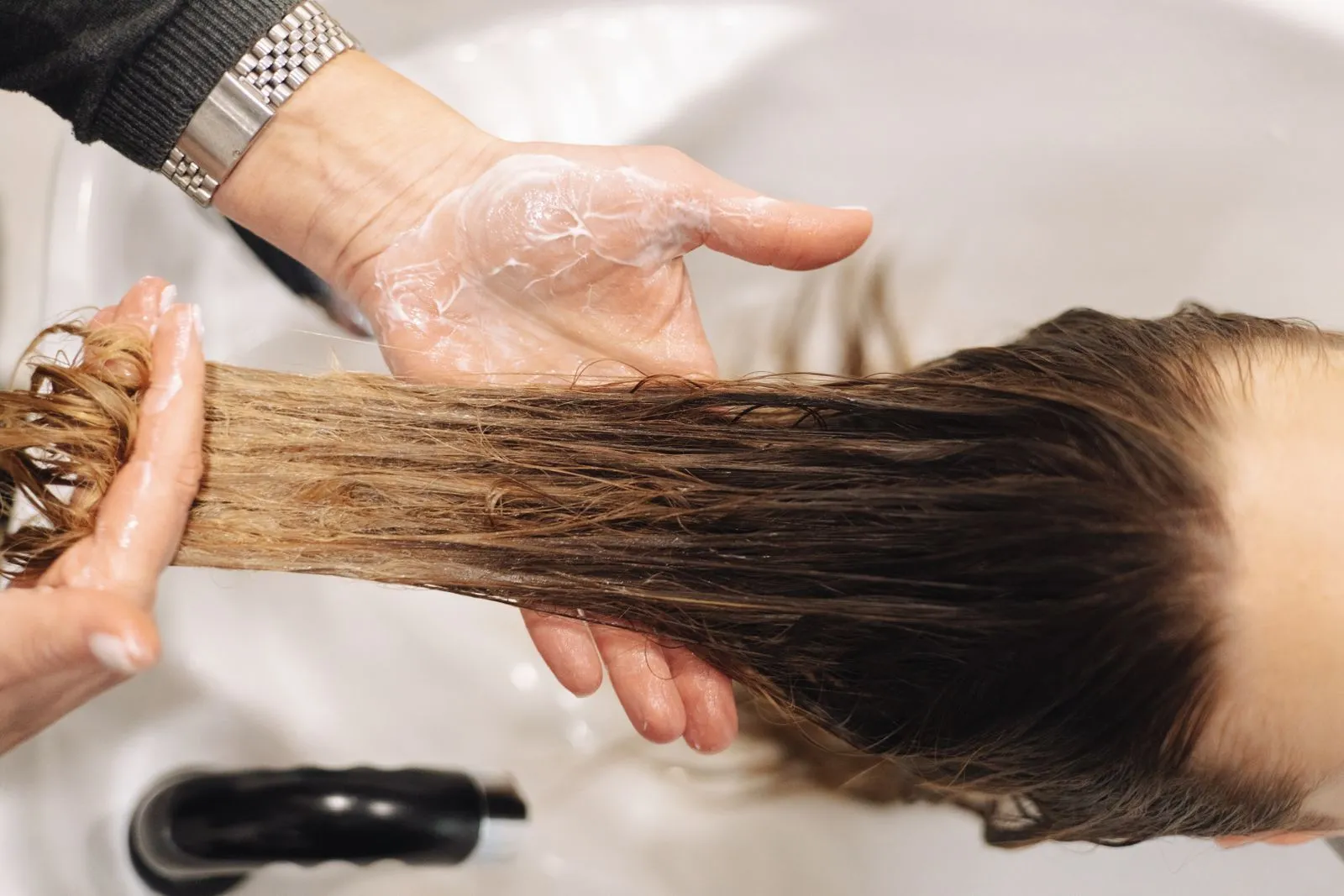
When your scalp feels itchy, tight, or tender, even familiar hair products can become a source of worry. A careful routine can help you identify possible triggers without changing everything at once. Start by looking at ingredients and how often you use each product, then make one adjustment at a time. Keep in mind that irritation can have different causes, and ongoing or severe symptoms deserve attention from a health professional.
Read Labels With a Purpose
Check the full ingredient list, not only the claims on the front of the bottle. Fragrance, essential oils, strong cleansers, and certain preservatives can bother some people, but reactions vary. If a product seems linked to discomfort, note its ingredients and pause it while your scalp settles. Avoid assuming that “natural,” “gentle,” or “for sensitive skin” guarantees a product will suit you.
Look for a short ingredient list if you are trying to narrow down possible triggers. Choose fragrance-free rather than merely unscented when possible; unscented products may still contain ingredients that mask odor. Save product labels or take photos so you can compare formulas later. If you have a known allergy, check labels carefully each time, since formulas can change.
Simplify Your Routine
For a short trial, use only the basics: a cleanser you tolerate, conditioner on the hair lengths, and any necessary styling product. Avoid adding several new products at once. When you introduce something, test a small amount on a limited area first and follow the product’s directions. A small-area test cannot rule out every reaction, but it may help you notice an immediate problem before regular use.
Wash with lukewarm water and use your fingertips rather than your nails. Rinse thoroughly, especially around the hairline and behind the ears, where residue can remain. If you use dry shampoo, sprays, oils, or styling creams, consider pausing them one at a time. Keep a brief log of products, wash days, and symptoms; patterns may be easier to spot than they are from memory.
Adjust Without Overcorrecting
Change one part of your routine at a time and give your scalp a chance to respond. Switching shampoo, conditioner, styling products, and wash frequency together makes it hard to identify what helped or hurt. If discomfort began after a new product, stop using it rather than trying to push through. Avoid scrubbing harder or washing repeatedly to remove irritation, since extra friction can make the scalp feel worse.
Consider factors beyond products, too. Heat styling, tight hairstyles, sweat, and frequent scratching may add to discomfort. Use lower heat, loosen styles that pull, and rinse after heavy sweating if that feels comfortable. If flakes or itching persist, avoid applying household remedies or medicated products without guidance; the wrong treatment may aggravate the issue or delay appropriate care.
Know When to Seek Help
Contact a health professional if irritation persists, keeps returning, or interferes with sleep or daily activities. Seek prompt advice for significant pain, swelling, open skin, spreading redness, or signs of infection. A clinician can assess possible causes and recommend treatment. Bring your product list or label photos and note when symptoms started, what changed, and whether anything makes them better or worse.
A scalp-care salon can help you review your washing and styling habits, but salon guidance does not replace medical evaluation. At Tide & Root Scalp Care in Wilmington, you can discuss a gentler routine and practical product choices. If symptoms are severe or unexplained, check with a health professional before trying a new scalp treatment.
A calmer routine starts with careful label checks, fewer products, and small, trackable changes. Pay attention to your scalp’s response, and do not ignore symptoms that persist or worsen. For routine guidance, Tide & Root Scalp Care can help you consider gentle habits; consult a health professional when irritation needs medical assessment.